Quilting Needle Size - A Guide For Beginners
What Size Needle Do You Need For Quilting?
Have you ever snapped a needle mid-stitch and wondered what went wrong? Or noticed little holes appearing in your beautiful quilt and felt your heart sink? The culprit is almost always the same thing: the wrong needle size.
The good news? This is one of the easiest fixes in quilting. Once you know the right needle to reach for, you'll be stitching through all three layers of your quilt with total confidence.
Note: This blog is about the needle you need for the quilting stage - that's when you stitch through all three layers (your quilt top, wadding/batting, and backing).
If you're looking for the right needle for piecing (stitching your fabric pieces together), I covered that in last week's blog: What Size Needle for Quilting Cotton (for Piecing)]
Why Does Needle Size Actually Matter?
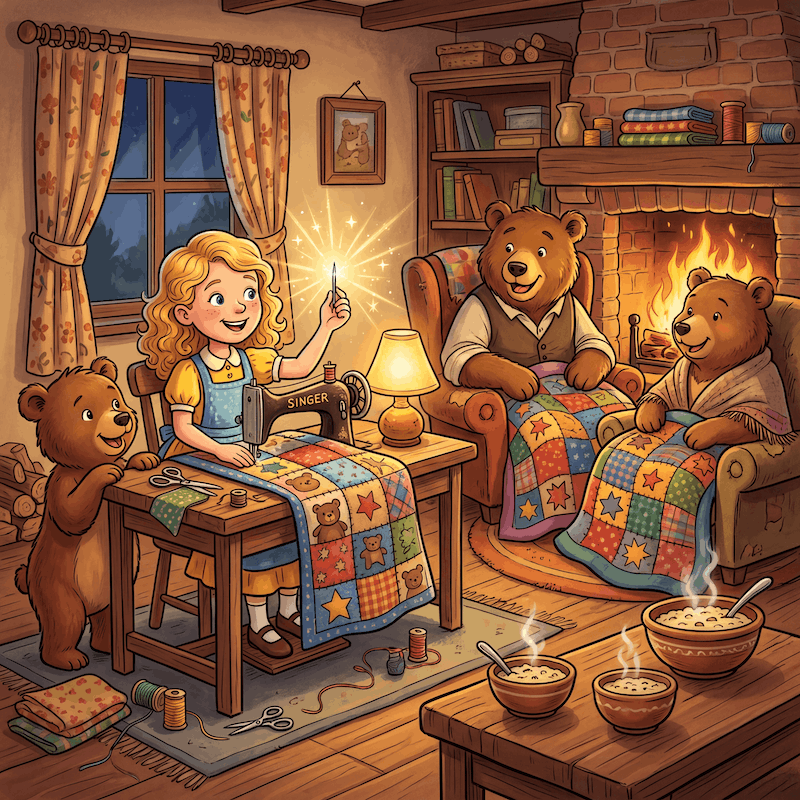
Think of it a bit like Goldilocks.
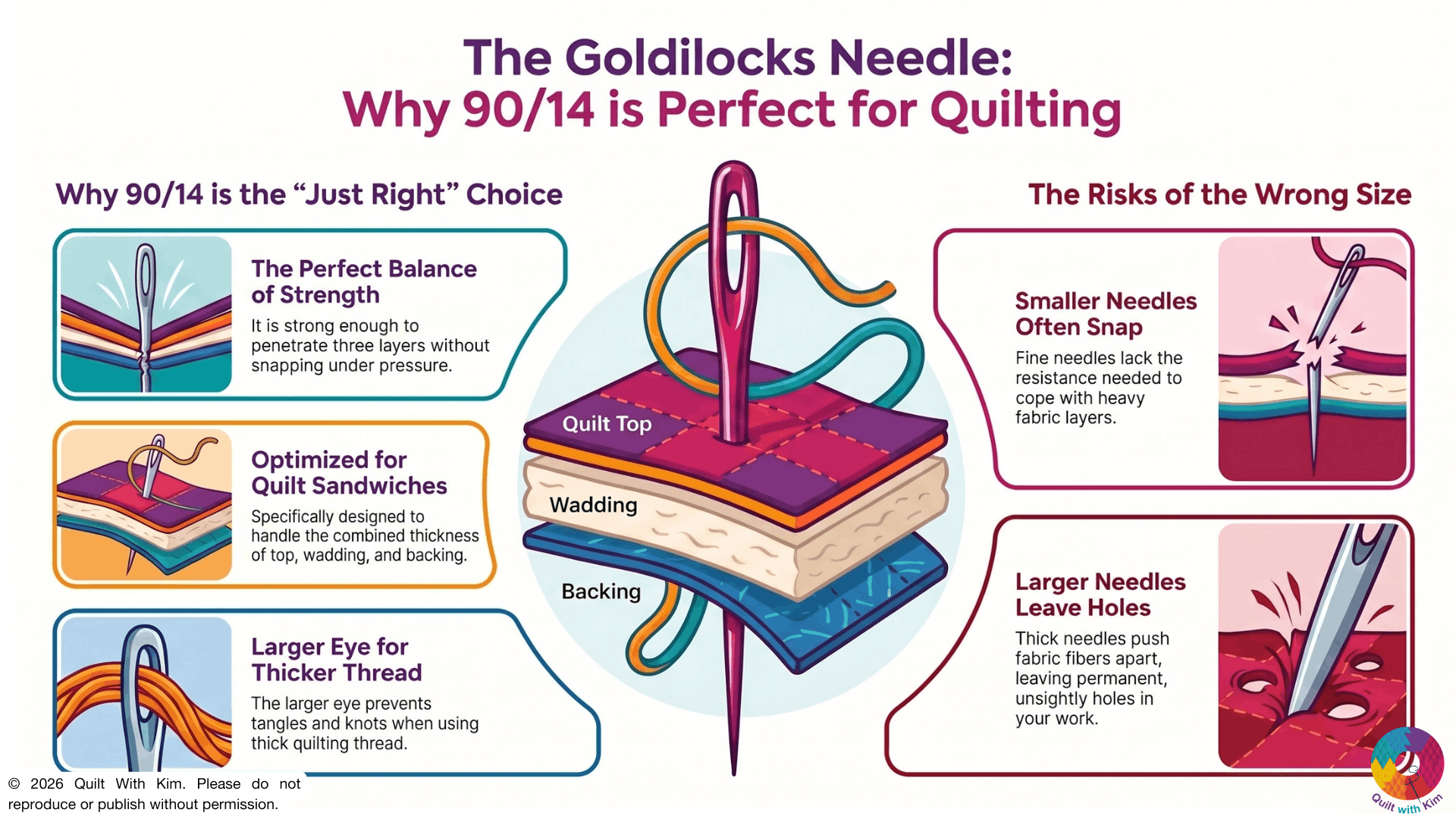
Too small, and your needle is likely to snap under the pressure of going through three layers of fabric. Too large, and it leaves unsightly holes that are very hard to ignore once you've spotted them.
Neither of those sounds very fun, does it? But there's a "just right" - and it makes all the difference.
So, What Is the Right Needle Size for Quilting?
The needle you need for quilting is a 90/14.
That's it! Simple as that.
A 90/14 needle hits that sweet spot perfectly. It's strong enough to push through all three layers of your quilt sandwich without snapping. And it's fine enough to pass through your fabric without leaving holes behind.
You can see exactly why in this short video I made on the subject. Pop the kettle on and have a watch ☕️
Why Can't I Just Use a Smaller Needle?
A smaller needle might seem like a good idea. I mean, smaller means less visible, right? The trouble is, a fine needle simply isn't strong enough to cope with the weight and resistance of three layers of fabric and wadding/batting. The pressure builds up and SNAP💥! There goes your needle.
Not only is that frustrating, it can also be a little alarming when it happens!
A 90/14 gives you that strength without any compromise on finish.
What About a Larger Needle?
A larger needle will certainly cope with the layers, but it will push the fibres of your fabric apart as it goes through, leaving small holes in its wake. On a quilt you've worked so hard on, those holes are really noticeable and very hard to fix.
It's really not a great look, as I say in the video. Save your larger needles for other jobs!
One More Thing: Your Quilting Thread Is Different
Here's something worth knowing: quilting thread is thicker than the thread you use for piecing.
Because of that, you need a needle with a slightly larger eye - that's the hole at the tip of the needle that the thread passes through.
A 90/14 needle is designed with exactly this in mind. Its eye is large enough to carry quilting thread smoothly, which means fewer tangles, fewer knots, and a much more enjoyable quilting session. Win!
A Quick Reminder: Piecing vs. Quilting Needles
Just to recap, because it's an easy one to mix up:
Piecing needle (for stitching your fabric shapes together): covered in last week's blog.
Quilting needle (for stitching through all three layers of your quilt sandwich): that's your 90/14.
Using the right needle for the right job makes such a difference to how your quilting feels, AND how your finished quilt looks. It's one of those small things that has a surprisingly big impact.
The Short Answer (For When You're in a Hurry!)
Use a 90/14 needle for quilting through all three layers. It's strong enough not to break, fine enough not to leave holes, and has the right size eye for your quilting thread. Pop it in your machine and you're good to go!
🌟 New to quilting and not quite sure where to start?
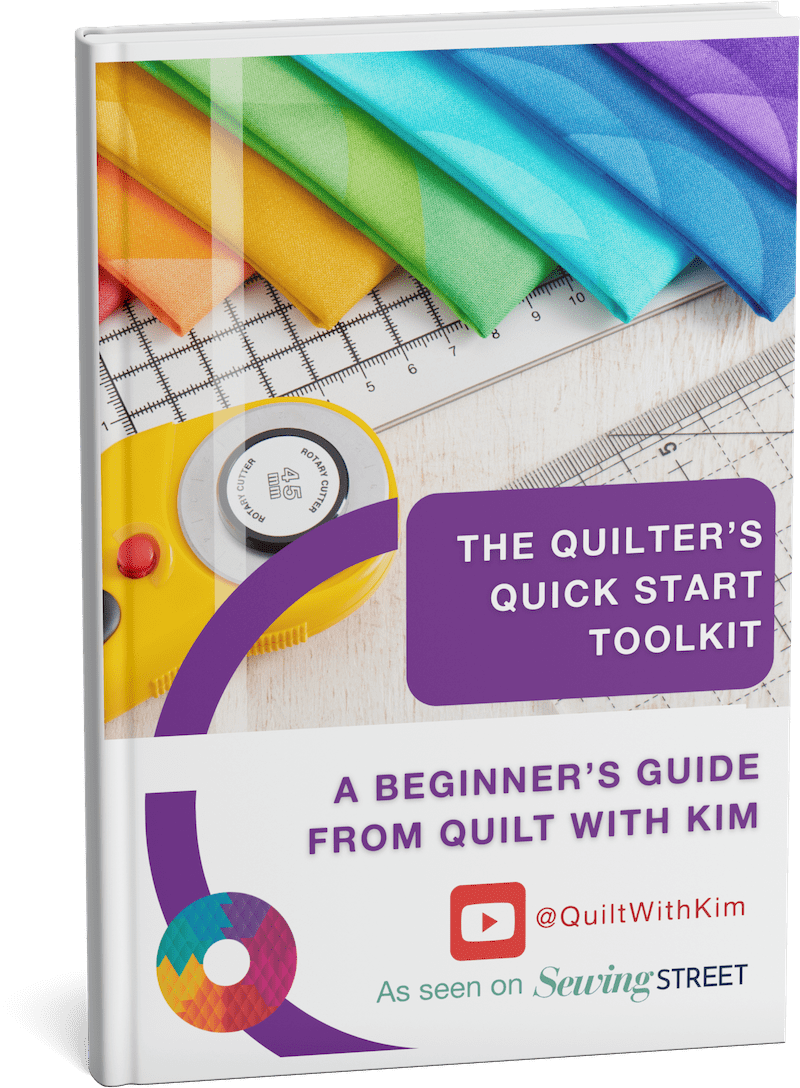
My free Beginners' Quick Start Toolkit has everything you need — from a handy tools checklist to the key terms explained in plain English — so you can pick up your rotary cutter with confidence.
👉 Download your free Beginner Quilter's Quick Start Toolkit here - and take your first confident step into the wonderful world of quilting!
I do hope this has helped you.
Happy quilting!
Happy quilting!
Kim xx

Kim Reynolds
04/21/2026 18:30:00 +0000
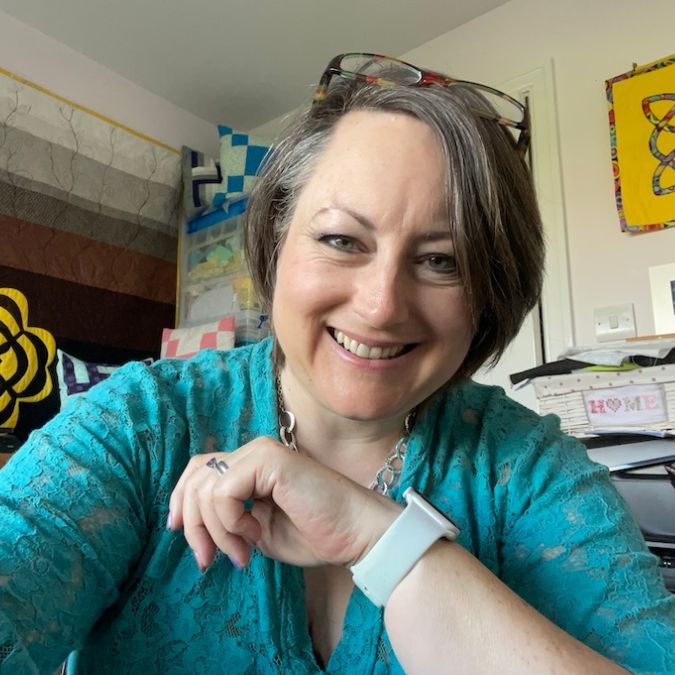
Kim Reynolds - Founder of Quilt With Kim
Kim is the founder of Quilt With Kim, a trusted resource for quilting beginners. With over seven years of experience inspiring students to explore their creativity, Kim specialises in teaching patchwork and quilting through easy-to-follow courses and tutorials.
She holds a City & Guilds qualification in Patchwork & Quilting and loves helping beginners create their first quilts with confidence.
Kim also hosts a popular YouTube channel, Quilt With Kim, where she shares tutorials and tips tailored to beginners. She has also taught patchwork live on air on Sewing Street on TV.
Based in Gloucestershire, UK, Kim enjoys yoga, cooking, and seaside and country walks with her husband, Nige. Her chief quilting assistant, Shadow the cat, is always on hand to supervise her projects.
Download the FREE Beginner Quilter's Toolkit - a free guide to help you to know how to get started with quilting and to join Kim's newsletter list and begin your quilting journey today.
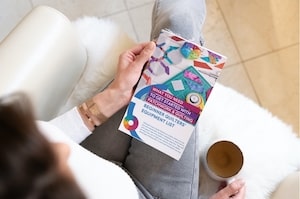
Confused About What Equipment You Need To Get Started With Patchwork & Quilting?
Discover the 14 essential tools and equipment you need as beginner in patchwork and quilting.
Download your FREE copy today.
PLUS comes with handy print out shopping guide!
Get In Touch
Dedicated email coming soon
2023 - 2024 The Patchwork Shop Ltd | All Rights Reserved.
The Patchwork Shop Ltd T/A Quilt With Kim | Registered in England | Company Number 10630597